Technology & Automation
Claim.MD Reviews: Pros, Cons, Pricing & Best Alternative
Read our Claim.MD review covering features, pricing, pros, cons, and user feedback, plus when VerifyTreatment may be a b...
Read the full article →


If denials are hurting cash flow, your team may be catching coverage issues late, missing authorizations, chasing payer portals, or tracking follow-up manually. The best denial management software helps you find root causes, prevent repeat denials, and recover revenue faster.
Top options include VerifyTreatment for behavioral health denial prevention, Waystar for denial and appeal automation, and Availity for claim edits, payer connectivity, and pre-submission denial prevention.
At VerifyTreatment, we help behavioral health teams verify coverage, benefits, and authorization requirements before care begins. For this list, we looked beyond feature pages and focused on real denial management problems: claims stuck in follow-up, spreadsheet tracking, payer portal checks, missed authorizations, underpayments, and repeat issues teams cannot easily explain.
That is why this list includes tools for both denial recovery and denial prevention. Some help manage appeals and claim follow-up. Others catch coverage, benefit, and authorization issues before they become denied claims.
We included ourselves because we see how often preventable denials start before billing, from missed eligibility details to unclear benefits, authorization gaps, and payer carve-outs. More than 4,000 behavioral health programs trust VerifyTreatment, and our work with Foundations Recovery Network shows what better verification can change: fewer admissions delays, less staffing pressure, fewer lost patients, and over $10,000 saved per month in lost revenue.

VerifyTX is the best! Makes life so much easier in the behavioral health space. Much more efficient than any other platform I’ve used in 10 years. Big shout out to Melanie Hernandez that manages our account! She is always there to help support promptly if I ever have any questions.
Before we break down each tool, here’s a quick look at where each option fits and what it is best suited for.
| Software | Best For | Main Denial Management Strength | Best-Fit Team |
| VerifyTreatment | Behavioral health denial prevention | Catches coverage, eligibility, payer risk, and auth issues before claims go out | Mental health, SUD, detox, residential, PHP, IOP, and outpatient teams |
| Waystar | Denial and appeal automation | Prioritizes denials, creates appeals, and tracks payer-specific submissions | Providers with high appeal volume |
| Availity | Claim edits and denial prevention before submission | Uses claim edits, payer access, and predictive checks to prevent avoidable denials | Teams that want cleaner claims before they reach payers |
| Experian Health | Denial visibility and workflow tracking | Organizes follow-up with claim status, remits, worklists, and analytics | Organizations with scattered denial workflows |
| RevFind by MD Clarity | Underpayment and contract-linked denial recovery | Tracks denials and underpayments against payer contracts | Provider groups focused on reimbursement recovery and payer contract performance |
| FinThrive | Enterprise denial and underpayment prevention | Connects clean claims, payment accuracy, contract validation, and underpayment recovery | Larger healthcare organizations |
| AKASA | GenAI revenue cycle automation | Uses GenAI for coding, CDI, auth status, claim status, and prebill review | Health systems exploring AI-driven RCM workflows |
| PMMC | Denial recovery support and pattern analysis | Categorizes denials and surfaces high-value recovery opportunities | Hospitals and health systems with rising denial volume |
| athenahealth | Service-led denial rework inside athenaOne | Uses claim specialists to review coding issues and work qualifying denials | Current athenaOne users with stretched billing teams |
| Inovalon Claims Management Pro | Claims management that reduces denial risk | Improves claim accuracy, eligibility checks, status tracking, and appeal workflows | Teams that need stronger claims visibility before specialized denial software |
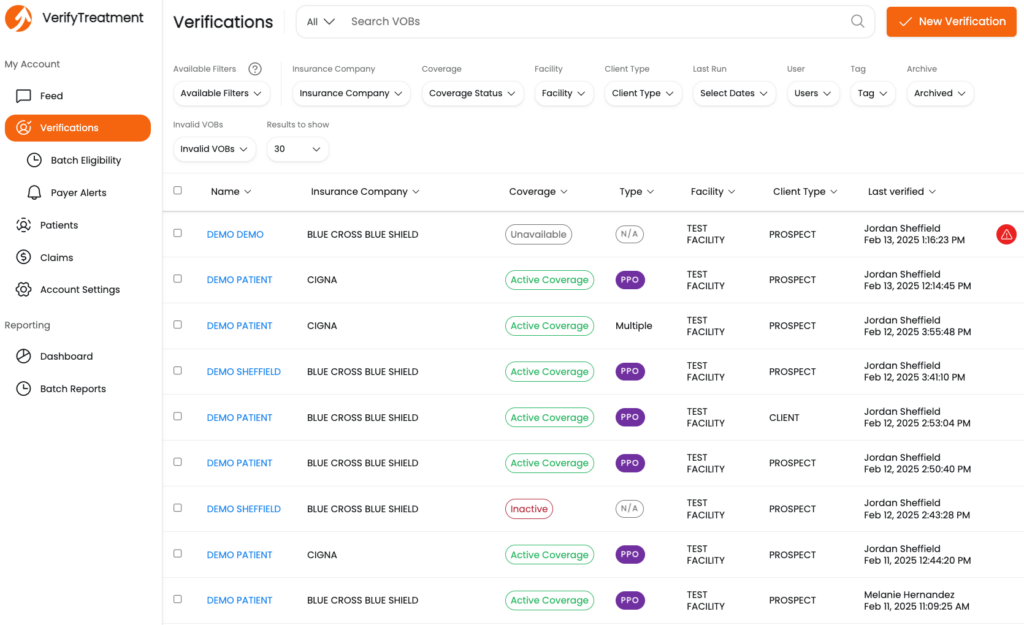
VerifyTreatment plays a front-end role in denial management by helping behavioral health teams catch coverage, eligibility, and authorization issues before claims go out. Instead of waiting until a denial reaches the billing queue, VerifyTreatment helps admissions and revenue cycle teams verify benefits earlier, flag payer risks, and keep coverage data visible across the team.
That approach has already helped teams reduce revenue leakage. Foundations Recovery Network eliminated admissions delays, reduced staffing needs, prevented the loss of 1 in 10 patients, and saved over $10,000 per month in lost revenue.
One thing that stands out about VerifyTreatment is that it is built specifically for behavioral health workflows, including detox, residential, PHP, IOP, outpatient, and substance use treatment programs.
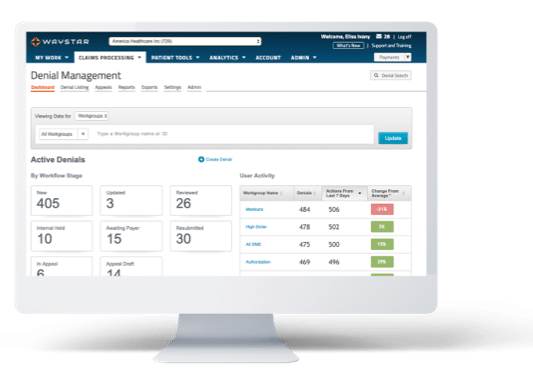
Waystar helps revenue cycle teams move faster on denials that already need follow-up, appeal, or payer-specific documentation. Its Denial + Appeal Management solution uses AI, predictive analytics, and automation to prioritize denials that are more likely to be overturned, route work to the right teams, and create appeal packages with less manual effort.
For a closer look at its strengths and limitations, and how VerifyTreatment can be a better fit, read our full Waystar review.
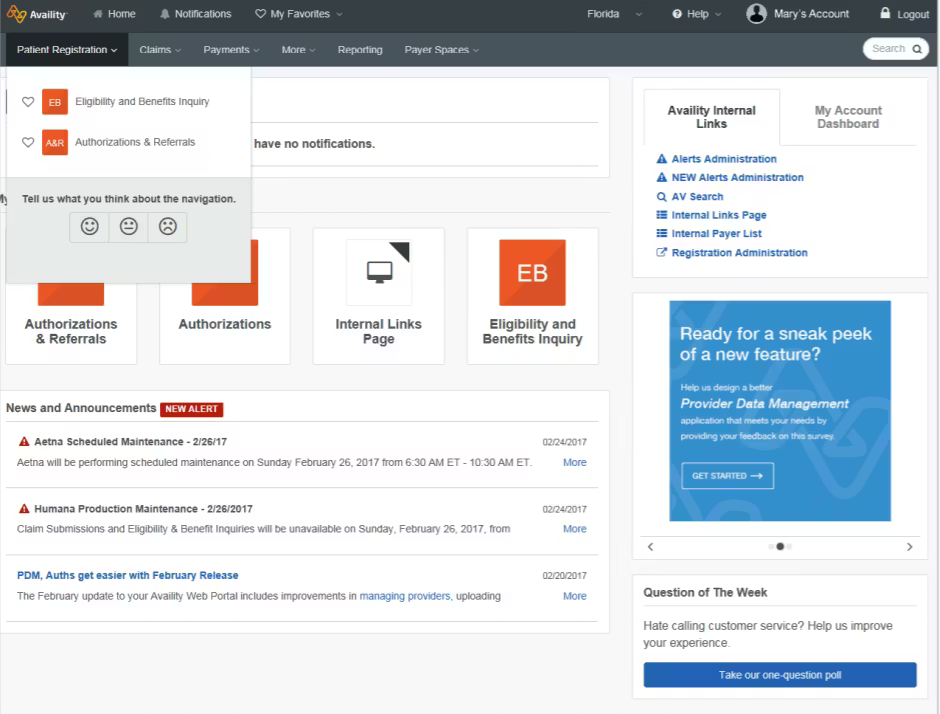
Availity focuses on reducing denials before and after claim submission. Teams can use custom claim edits, AI-powered denial prediction, eligibility checks, claim status access, and online correction queues to catch errors earlier and work denied claims faster.
For a closer look at how users describe its payer access, eligibility checks, and limitations, read our full Availity review.
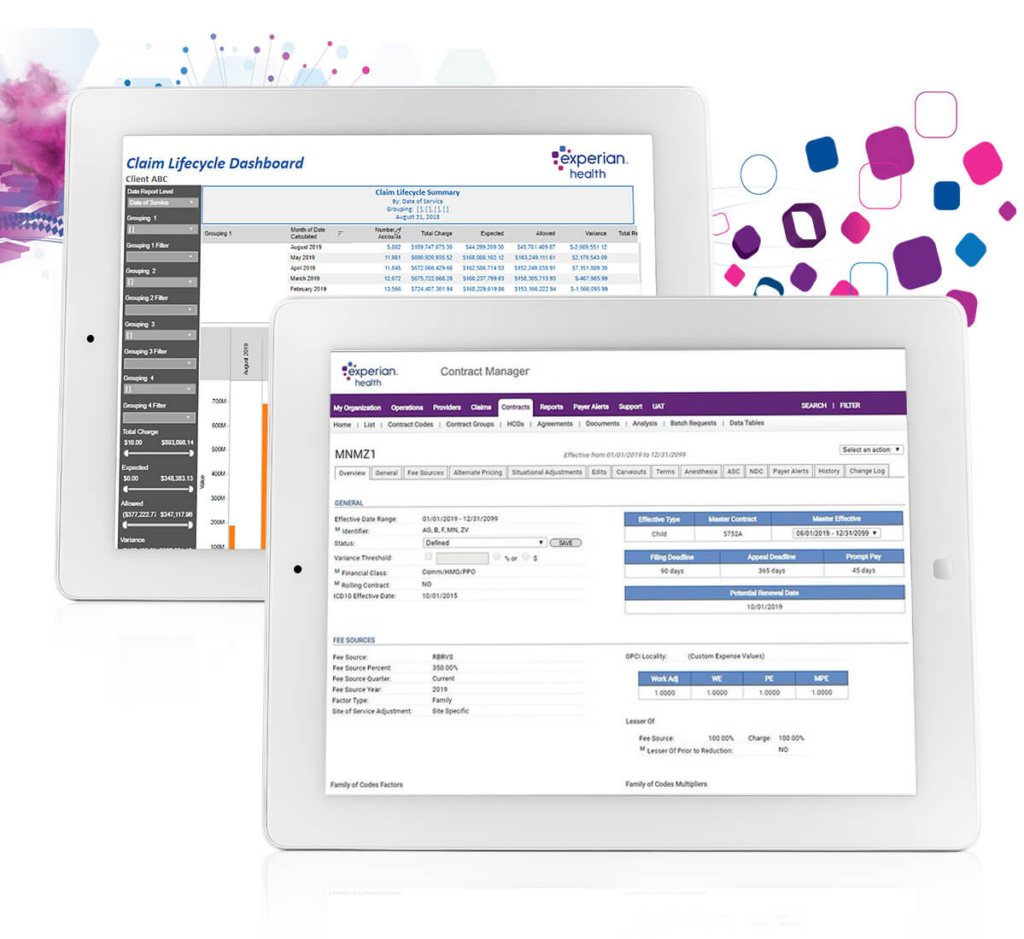
Experian Health gives healthcare organizations better visibility into denied, suspended, pending, and lost claims. Its Denial Workflow Manager combines workflow tools, enhanced claim status, remittance detail, and analytics so teams can quickly identify claims that need follow-up and decide what to resubmit, appeal, or investigate.
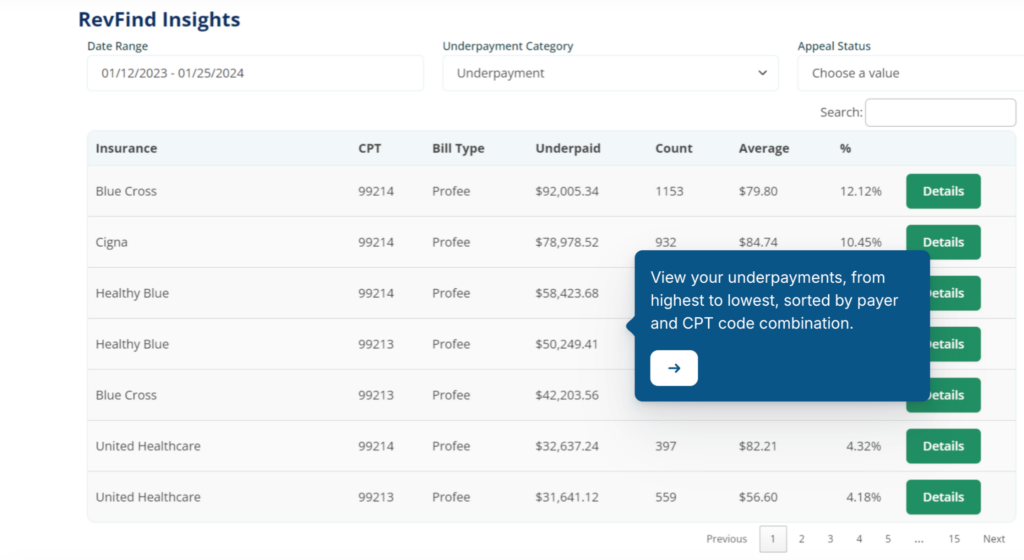
RevFind by MD Clarity focuses on the revenue providers lose through underpayments, denials, and payer contract gaps. It tracks denials and underpayments against negotiated rates, then drills down to charge-level details so teams can see where reimbursement issues are happening and how much revenue is at stake.
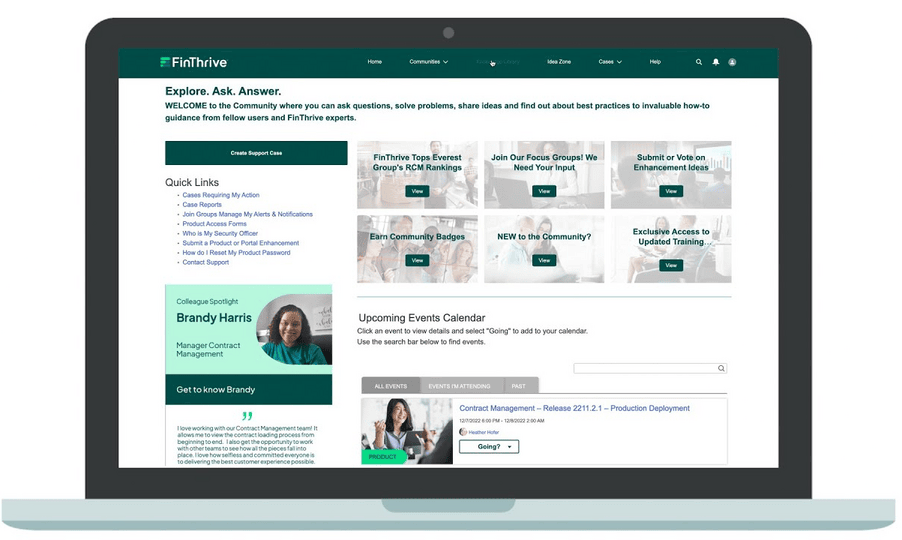
FinThrive targets denial and underpayment prevention before revenue slips through the cracks. It looks at the issues that affect payment accuracy, from eligibility and authorization gaps to claim errors, payer rules, and contract discrepancies.
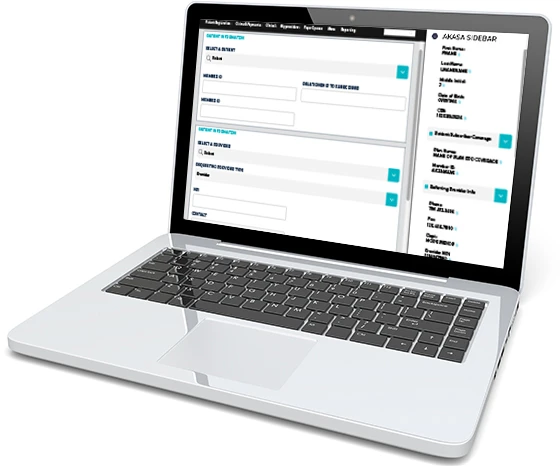
AKASA uses generative AI to improve revenue cycle work across coding, CDI, authorization status, claim status, and prebill optimization. For denial management, its value is in reducing the manual work that often happens before and after a claim is submitted.
Key Features
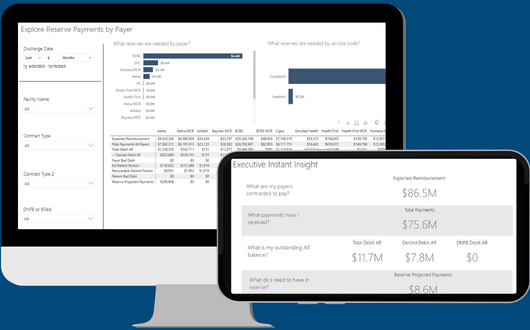
PMMC works well for healthcare organizations that need denial recovery support and better insight into why denials keep happening.
With tools like RecoveryAI and Analytics+, PMMC can categorize denials, identify denial patterns, and surface high-value recovery opportunities. Its Recovery+ service also gives teams extra support for denial and underpayment collections when internal staff are already stretched.
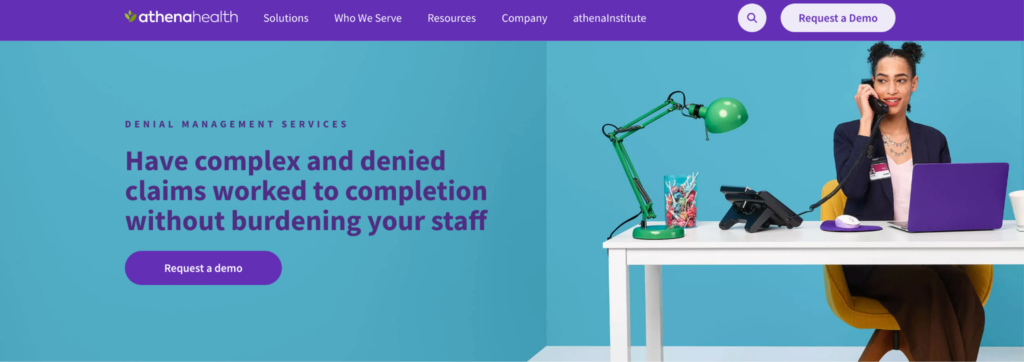
athenahealth takes a service-led approach to denial management through Enhanced Claim Resolution. Its claim resolution specialists can review coding issues before submission and work qualifying denials inside athenaOne workflows, so your internal team is not carrying every complex claim alone.
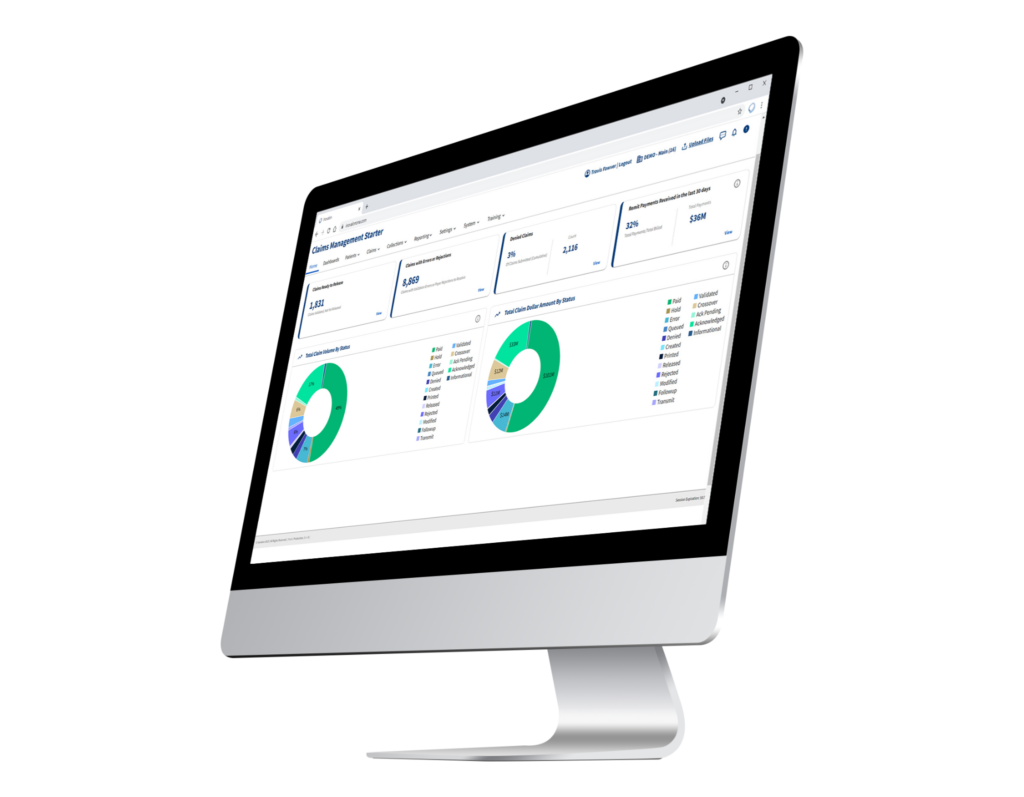
Inovalon Claims Management Pro is not a dedicated denial management platform in the same way as some tools on this list. It is a claims management solution, but that still matters for denial management because many denials start with claim errors, missing eligibility checks, delayed follow-up, or poor visibility into claim status.
Choosing the right denial management software starts with knowing where your denials are coming from. Before you pick a tool, look for these key things:
Do not choose a tool just because it has the longest feature list. First, identify what is causing the most revenue loss. Is it eligibility errors, missing authorizations, coding issues, documentation gaps, underpayments, payer delays, or manual follow-up?
Once you know the main problem, it becomes easier to choose a tool built for that part of the workflow.
Some tools are better at preventing denials before claims go out. Others are stronger at managing appeals, tracking denied claims, or recovering underpayments.
If your denials start with unclear coverage, benefit details, or authorization requirements, look for prevention-focused software. If your team already has a denial backlog, prioritize appeal workflows, claim follow-up, and denial recovery.
The software should reduce work, not create another disconnected dashboard. Look at whether it fits with your EHR, PM system, CRM, clearinghouse, or claims workflow.
This matters especially if your team is already switching between payer portals, spreadsheets, work queues, and internal notes just to track denial status.
Not every denial deserves the same level of attention. The right tool should help your team see which denials are worth working first based on dollar value, payer, denial type, deadline, or likelihood of recovery. It should also show repeat patterns, so your team can fix the issues causing the same denials over and over.
A tool may look good on paper but still fall short if it does not support your key payers or specialty workflows.
For behavioral health teams, this is important. You may need software that can handle coverage verification, benefit details, authorization requirements, payer carve-outs, and level-of-care information for detox, residential, PHP, IOP, outpatient, or substance use care.
Denied claims are not always a billing problem. Many start much earlier with missed eligibility details, unclear benefits, authorization gaps, payer carve-outs, or outdated coverage information.
That is where VerifyTreatment stands out for behavioral health teams. It helps admissions and revenue cycle teams verify coverage, confirm benefits, flag authorization requirements, and keep payer information visible before treatment moves forward.
For teams managing detox, residential, PHP, IOP, outpatient, or substance use treatment programs, this front-end clarity can reduce preventable denials before they reach AR.
If your team wants to stop losing revenue to avoidable coverage and authorization issues, get started with VerifyTreatment here.
Disclaimer: All trademarks, logos, and brand names are the property of their respective owners. The use of any third-party trademarks, logos, or brand names in this article is for informational and comparative purposes only, and constitutes nominative fair use. This article was published by VerifyTreatment, and while we strive for objective comparisons, VerifyTreatment is included as an option within this list.



Samantha is a dynamic marketing professional dedicated to making a difference in the behavioral health industry through her work at VerifyTreatment. With a strong background in digital marketing and brand advocacy, she helps elevate the platform’s presence by fostering authentic connections with treatment centers and healthcare providers. Her expertise in content creation and community engagement ensures that VerifyTreatment’s value is communicated effectively, helping centers streamline operations and improve patient care. Samantha’s focus on building trust and driving awareness positions VerifyTreatment as a key resource in the healthcare landscape.

Nicole is a versatile healthcare professional with a Bachelor’s degree in Health Administration and a solid background in managing healthcare systems and operations. Her experience spans healthcare management, compliance, and regulations, making her adept at navigating complex healthcare environments. In addition to her administrative expertise, Nicole holds certifications in Functional Nutrition and Personal Training, giving her a well-rounded perspective on health and wellness. She is committed to using her skills to improve healthcare settings and ensure effective, patient-centered care.

Tara is a dedicated leader who leverages her Master's degree in Information Technology (Florida Tech) and deep company knowledge (since 2018) to drive our community awareness. She is the central figure for managing social engagement and ensuring the community is immediately and effectively informed of all new product launches and company updates.

JoAnn has a strong background in the mental health and substance abuse industry, with expertise in billing, coding, facility credentialing, and contracting. She is passionate about team education and public speaking, always striving to make a positive impact. With a solid foundation in accounting, JoAnn also holds an Associate of Arts in Biblical Studies from Liberty University, blending her professional skills with her personal values.

For 11+ years, Melanie has been dedicated to helping clients access quality mental health care, with a special focus on grief, loss, and substance abuse. With expertise in healthcare, community outreach, patient advocacy, and leadership development, Melanie is passionate about making a positive impact in the lives of others.

Jordan is a dedicated advocate for behavioral health and is passionate about improving sales strategies and business processes. With a focus on helping businesses, particularly in healthcare, Jordan believes that streamlining operations is a way to positively impact more people indirectly. A strong leader, both personally and professionally, Jordan is committed to making a difference in the world by doing good business and serving a higher purpose.