Technology & Automation
Claim.MD Reviews: Pros, Cons, Pricing & Best Alternative
Read our Claim.MD review covering features, pricing, pros, cons, and user feedback, plus when VerifyTreatment may be a b...
Read the full article →


Office Ally works well for claims submission, billing, and clearinghouse workflows. But if your eligibility verification process still feels manual, scattered, or hard to keep updated, VerifyTreatment may be a better fit. It helps your team verify coverage earlier, reduce payer portal checks, and catch avoidable front-end billing issues before they slow down reimbursement.
VerifyTreatment helps healthcare teams make eligibility verification less manual, less scattered, and easier to act on before it affects admissions, claims, or reimbursement.
While Office Ally includes eligibility verification as part of a broader claims, billing, and clearinghouse workflow, VerifyTreatment is built specifically for this part of the revenue cycle. It helps teams reduce payer portal checks, keep patient information updated, and catch coverage issues earlier.
For example, Foundations Recovery Network used VerifyTreatment to eliminate admissions delays, reduce staffing needs, prevent the loss of 1 in 10 patients, and save over $10,000 per month in lost revenue.
So, if eligibility verification is still where your team loses time, VerifyTreatment gives you a more focused way to fix that gap before it turns into delays, denials, or lost revenue.
If your team is looking for an Office Ally alternative because eligibility verification still feels too manual, VerifyTreatment is the more focused option.
Here’s where it stands out:
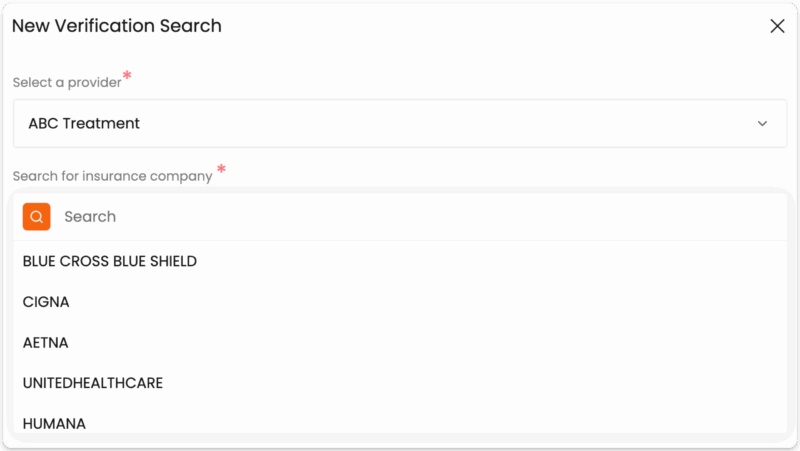
VerifyTreatment helps teams verify coverage in seconds instead of waiting on payer portals, faxes, or phone calls. This gives admissions, billing, and RCM teams clearer benefit details earlier in the process.
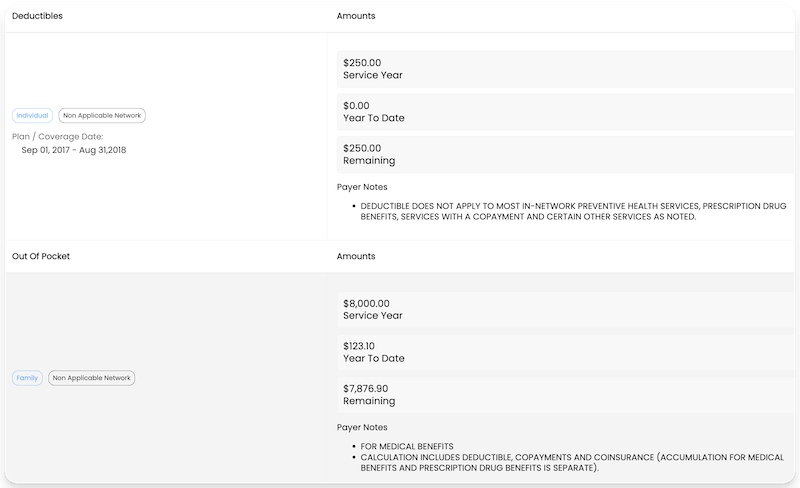
VerifyTreatment is built for mental health and substance use workflows, so teams can see details like carve-outs, authorization needs, visit limits, payer rules, and coverage warnings before they make intake or billing decisions.
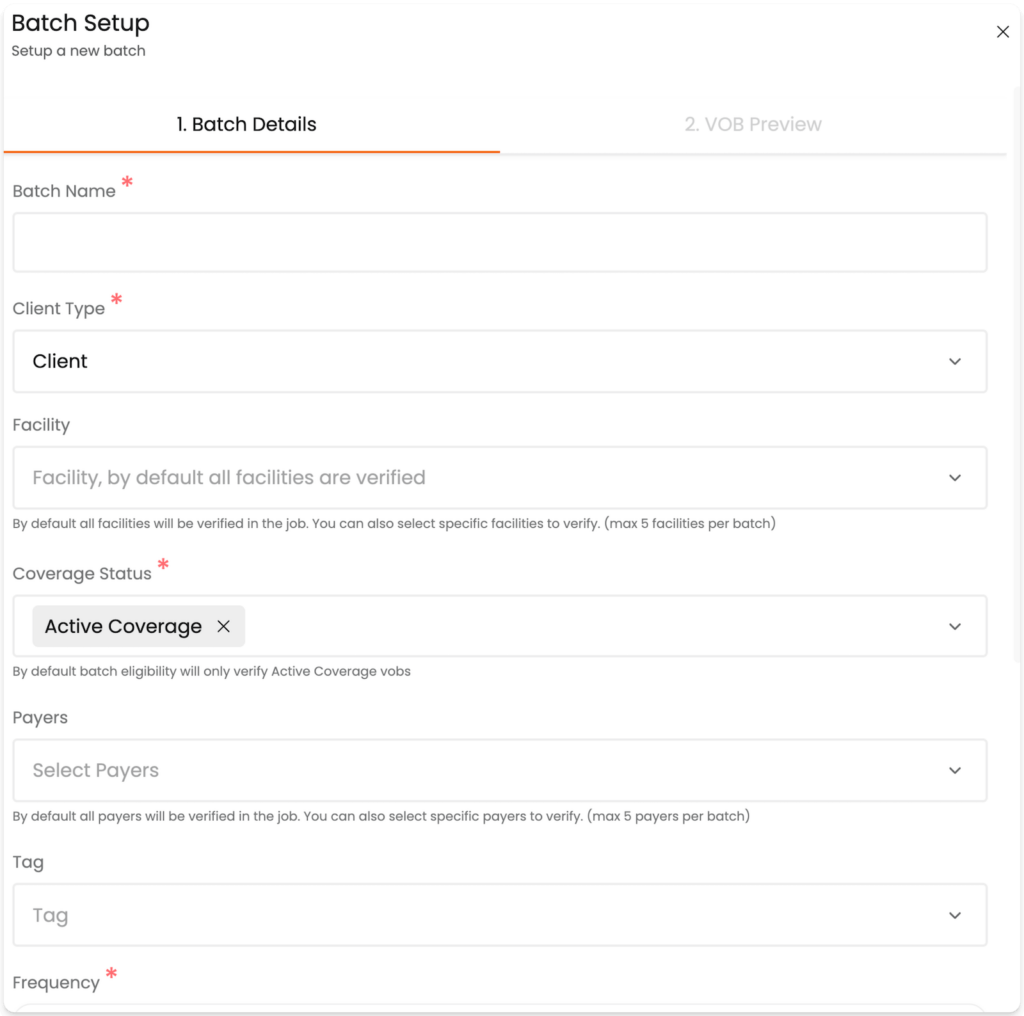
Coverage can change after a patient is admitted. With Batch Verification, teams can recheck active clients in bulk and catch terminated policies, payer changes, or coverage shifts before claims go out.
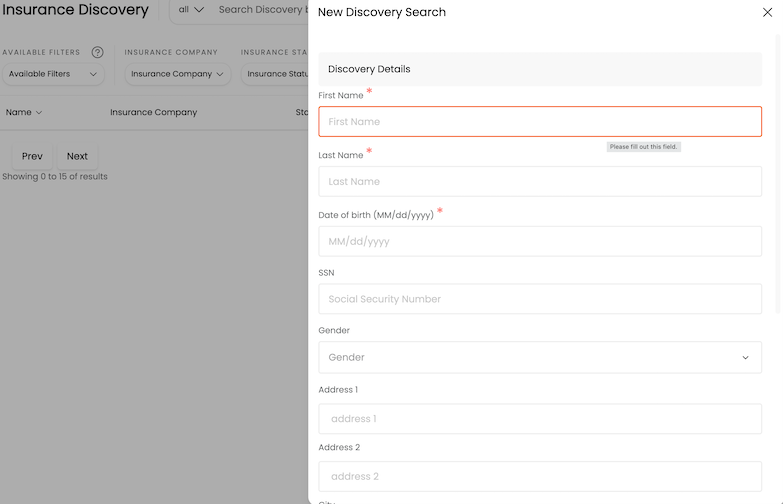
When patients do not have their card, provide the wrong member ID, or give incomplete payer information, VerifyTreatment can help find active coverage faster so admissions do not stall.
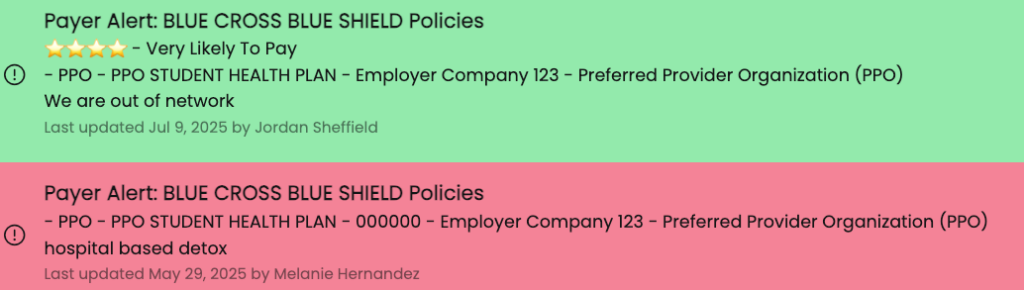
VerifyTreatment helps teams capture payer-specific notes, authorization quirks, and risk alerts in one place. That keeps admissions and billing aligned, reduces messy handoffs, and helps teams act before small verification issues become bigger revenue problems.
Office Ally can be useful for claims, billing, and clearinghouse tasks. But if your team still has to double-check coverage, chase payer details, or investigate eligibility issues before claims can move forward, it may not be enough on its own.
Here are a few gaps to consider.
Office Ally can support eligibility checks, but some users still report that the results are not always easy to understand when something does not work.
One user described Office Ally’s insurance eligibility evaluation as good, but added that “it doesn’t always work, and it’s not clear why.”
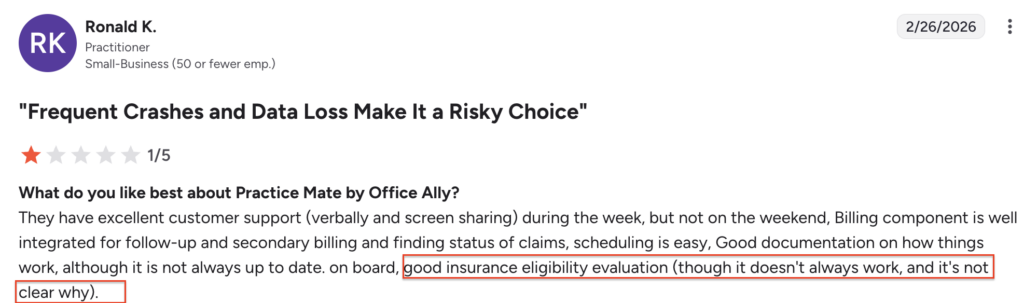
That creates a problem before the claim even goes out. If staff cannot quickly tell whether coverage is active, what changed, or what needs to be verified next, they may still have to check payer portals or follow up manually.
For teams trying to prevent eligibility-related delays, that uncertainty can slow down the whole front-end workflow.
Another reason teams may look for an Office Ally alternative is that claim issues can still require manual troubleshooting.
One user noted that when claims do not go through, “the error messages can be unclear,” making it hard to understand what needs to be corrected.

That lack of clarity can slow the billing workflow after the claim has already hit a problem. Staff may have to confirm coverage, fix the record, and resubmit the claim, which can delay reimbursement and add more manual follow-up.
Office Ally may be enough for small-volume claims, but some teams start to feel the limits when follow-up becomes harder to manage.
In one Reddit thread, a user said Office Ally “works fine for small volume,” but their denial tracking became a problem once follow-up started falling through the cracks.

As claim volume grows, denial follow-up becomes harder to manage manually. If staff can’t clearly see which claims were denied, which ones were appealed, and which accounts still need action, follow-up can slip through the cracks and delayed payments can become harder to recover.
One reason many teams like Office Ally is that it can be affordable, especially for smaller practices. But the cheapest tool is not always the lowest-cost workflow.
If staff are spending hours checking payer portals, correcting information, following up on failed claims, or manually tracking verification issues, the hidden cost can add up quickly.
For teams comparing Office Ally with an alternative, software cost is only one part of the decision. The bigger issue is how much time staff still spend fixing problems that better verification could have caught earlier.
| Feature / Need | Office Ally | VerifyTreatment |
| Best for | Claims submission, billing, clearinghouse workflows, practice management, and general revenue cycle tasks. | Eligibility verification, real-time VOB, insurance discovery, payer alerts, batch reverification, and front-end revenue protection. |
| Eligibility verification | Office Ally includes eligibility checks as part of a broader claims/clearinghouse workflow. | VerifyTreatment is built around real-time eligibility and benefit verification, so teams can get coverage details earlier. |
| Behavioral health focus | Broader healthcare clearinghouse/billing platform | Built for mental health and substance use workflows, including carve-outs, auth needs, visit limits, and payer-specific rules. |
| Manual payer portal work | Teams may still need to check payer portals when eligibility results, payer details, or claim issues are unclear. | Helps reduce payer portal checks by pulling verification details into one workflow. |
| Batch reverification | Not the main focus. Teams may still need manual processes to recheck active patients. | Lets teams reverify active clients in bulk and catch coverage changes before claims go out. |
| Insurance discovery | Office Ally has insurance discovery features, but it sits inside a broader revenue cycle product set. | Helps teams find active coverage when patient details are incomplete, wrong, or missing. |
| Incomplete patient information | May still require staff to manually confirm or correct payer details. | Can help locate active coverage even when a patient does not have their card, gives the wrong member ID, or provides partial information. |
| Payer-specific notes | May require teams to track payer rules or patterns outside the main workflow. | Payer Alerts help teams capture payer behavior, authorization quirks, claim delays, and plan-specific notes in one place. |
| Team handoffs | Can support billing workflows, but admissions, billing, and clinical teams may still rely on separate notes, screenshots, or manual updates. | Keeps verification results, payer notes, alerts, and coverage details easier to share across admissions and billing. |
| Claim issue prevention | Helps with claims processing, but some issues may still be discovered after the claim fails. | Focuses on catching coverage issues earlier so teams can reduce avoidable claim problems before they reach billing. |
| Denial prevention | Useful for claims workflows, but denial prevention may still depend on how well the team verifies coverage upfront. | Helps prevent eligibility-related denials by flagging coverage gaps, lapsed policies, payer risks, and missing details earlier. |
| Reporting and exports | Supports billing and claims-related reporting depending on the product used. | Offers custom exports so teams can turn verification results into clean, usable PDFs for admissions, billing, and reconciliation. |
| Integrations | Works as part of Office Ally’s broader clearinghouse, practice management, and EHR ecosystem. | Can support workflow integrations such as Salesforce, CRM, EHR, and API-based workflows. |
| Best fit for growing teams | May work well until verification, follow-up, payer rules, and denial prevention become harder to manage manually. | Built for teams that need to scale verification without adding more portal work, spreadsheets, or manual follow-up. |
| When it may not be enough | When eligibility verification still feels unclear, manual, scattered, or difficult to keep updated before claims go out. | May not replace Office Ally if the team mainly needs a full clearinghouse, EHR, or practice management system. |
| Bottom line | Office Ally is a broader claims, billing, and clearinghouse solution. It can work well when the main need is submitting claims and managing general billing workflows. | VerifyTreatment is the stronger fit when the main problem is eligibility verification, payer clarity, batch reverification, insurance discovery, and catching coverage issues before they become delays, denials, or lost revenue. |
Office Ally can still be useful if your team mainly needs claims, billing, or clearinghouse support. But if the real bottleneck is eligibility verification, VerifyTreatment gives you a more focused way to fix it.
With real-time VOB, batch reverification, insurance discovery, payer alerts, and cleaner admissions-to-billing handoffs, VerifyTreatment helps teams catch coverage issues earlier instead of waiting for them to turn into delays, denials, or lost revenue.
If your team is tired of chasing payer portals, correcting avoidable coverage issues, or losing time before claims go out, you can get started with VerifyTreatment here.
Disclaimer: All trademarks, logos, and brand names are the property of their respective owners. The use of any third-party trademarks, logos, or brand names in this article is for informational and comparative purposes only, and constitutes nominative fair use. This article was published by VerifyTreatment, and while we strive for objective comparisons, VerifyTreatment is included as an option within this list.





Samantha is a dynamic marketing professional dedicated to making a difference in the behavioral health industry through her work at VerifyTreatment. With a strong background in digital marketing and brand advocacy, she helps elevate the platform’s presence by fostering authentic connections with treatment centers and healthcare providers. Her expertise in content creation and community engagement ensures that VerifyTreatment’s value is communicated effectively, helping centers streamline operations and improve patient care. Samantha’s focus on building trust and driving awareness positions VerifyTreatment as a key resource in the healthcare landscape.

Nicole is a versatile healthcare professional with a Bachelor’s degree in Health Administration and a solid background in managing healthcare systems and operations. Her experience spans healthcare management, compliance, and regulations, making her adept at navigating complex healthcare environments. In addition to her administrative expertise, Nicole holds certifications in Functional Nutrition and Personal Training, giving her a well-rounded perspective on health and wellness. She is committed to using her skills to improve healthcare settings and ensure effective, patient-centered care.

Tara is a dedicated leader who leverages her Master's degree in Information Technology (Florida Tech) and deep company knowledge (since 2018) to drive our community awareness. She is the central figure for managing social engagement and ensuring the community is immediately and effectively informed of all new product launches and company updates.

JoAnn has a strong background in the mental health and substance abuse industry, with expertise in billing, coding, facility credentialing, and contracting. She is passionate about team education and public speaking, always striving to make a positive impact. With a solid foundation in accounting, JoAnn also holds an Associate of Arts in Biblical Studies from Liberty University, blending her professional skills with her personal values.

For 11+ years, Melanie has been dedicated to helping clients access quality mental health care, with a special focus on grief, loss, and substance abuse. With expertise in healthcare, community outreach, patient advocacy, and leadership development, Melanie is passionate about making a positive impact in the lives of others.

Jordan is a dedicated advocate for behavioral health and is passionate about improving sales strategies and business processes. With a focus on helping businesses, particularly in healthcare, Jordan believes that streamlining operations is a way to positively impact more people indirectly. A strong leader, both personally and professionally, Jordan is committed to making a difference in the world by doing good business and serving a higher purpose.